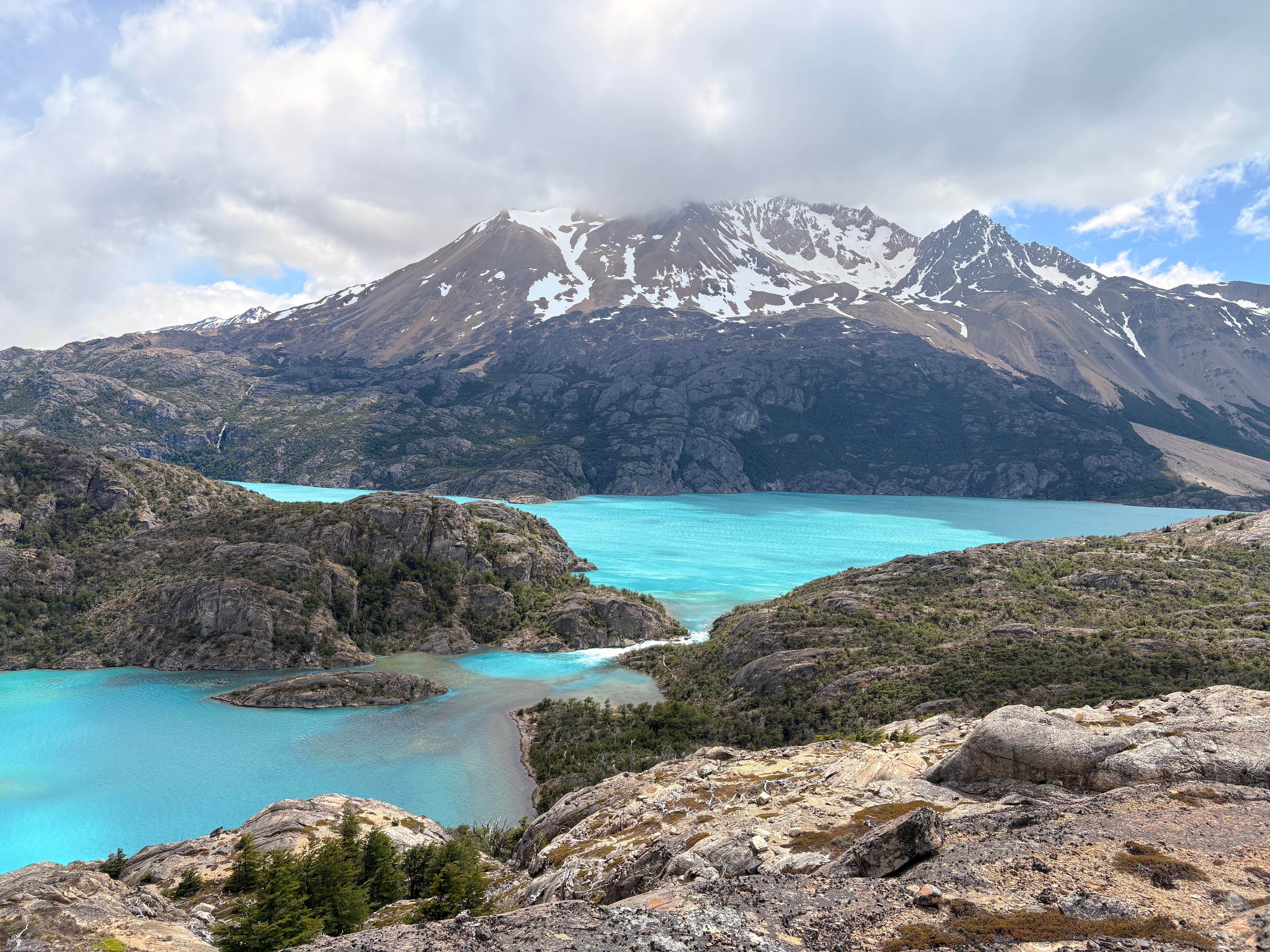
The Other Perito Moreno: A Journey into Patagonia's Quietest Wilderness
True luxury in Patagonia is not immediacy, but distance. It is the privilege of arriving where the map seems to go blank.
Before you go
This is not the Perito Moreno Glacier — the famous ice wall further south in Los Glaciares National Park. They share the name of the same explorer; nothing else. This is the Perito Moreno National Park, one of the least visited reserves in Argentina, located in the northwest of Santa Cruz province, about an eight-hour drive from El Calafate. Its remoteness is not an obstacle. It is the point.
Route 40, and a French gaucho
We left El Calafate in December, gear in the back of a rental car, with a single purpose: to disappear for a while. The first day was spent on Route 40, drifting north toward Gobernador Gregores. We broke the journey at Estancia Santa Thelma, where we were received by Antoine — a Frenchman who once rode across Patagonia on horseback and never quite left. He bought the ranch and stays there most of the year. His story deserves a chronicle of its own.
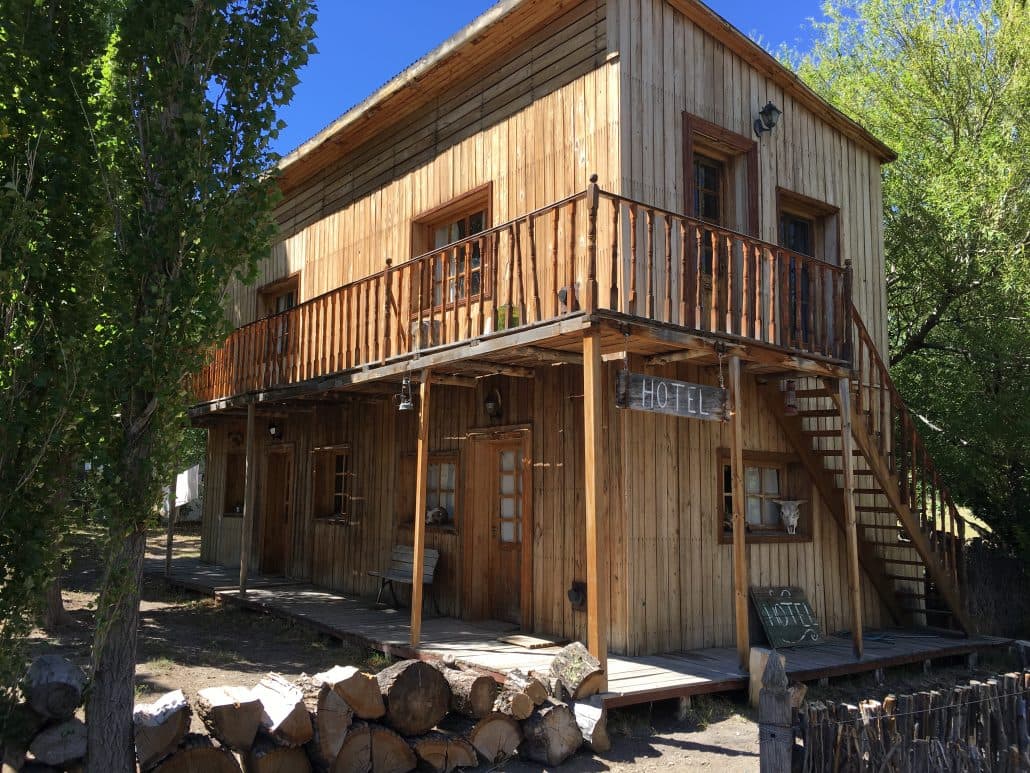
Walking into Santa Thelma feels like stepping onto the set of a Western no one ever filmed. The Patagonian night closed in around a wood-fired asado cooked by Antoine himself, paired with Argentine wine and stories that ran past midnight.
Where the wind and condors reign
We set out at first light. The simple act of driving into the park is overwhelming: condors escorting the car overhead, guanacos grazing the steppe in every direction, no crowds, no engine noise other than ours. The wind is the host here. We hadn't come for a glimpse. The plan was the Azara Circuit — five days, four nights, on foot.
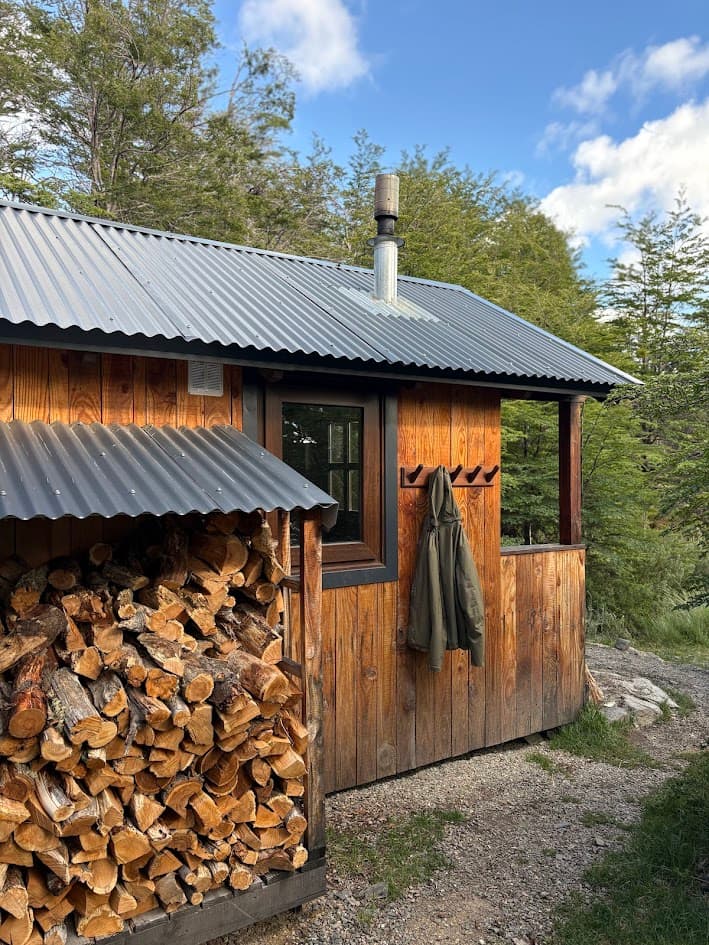
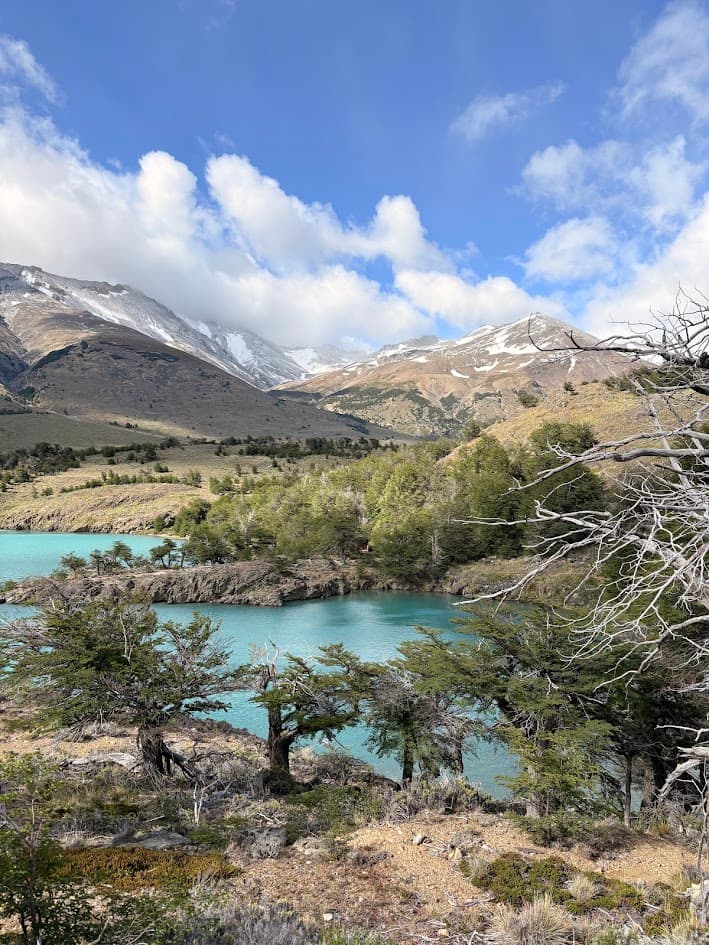
The first stretch, from the trailhead to Refugio Tucúquere, gave us the postcard: the turquoise immensity of Lake Belgrano on the right, mountain ranges rising to the left. Then the wind turned, the sky closed in, and the last kilometres came down as cold rain. There is no romance in arriving wet to a shelter. There is, however, romance in finding a cast-iron stove inside, and firewood already chopped by the park rangers. These refugios are unexpected oases — sanctuaries that reward whoever was willing to walk in.
The next day brought a change of skin. The shrubby steppe gave way to lenga and ñire forests, and walking beneath that green canopy is its own microclimate: the wind dies down, the smell of damp earth takes over. Before reaching Refugio Azara, the forest opens onto the panoramic view of the Azara Waterfall — glacial water hitting rock with the kind of roar that makes you stop walking and simply watch.
The third night was at Refugio Angostura, deeper in. Surrounded by lakes, mountains, and a silence so thick you could almost hold it, we understood our scale in the face of all of this.
The way back retraced our steps. One last night at Tucúquere, which by then felt like a familiar home. On the final hike out, with lighter packs and a heavier kind of fullness, we took one last look at Lake Belgrano. The wind was still there. This time it did not feel like an obstacle, but like the slow breath of a place that had quietly rearranged us.
The Still & Trail Experience
At Still & Trail, we believe you shouldn't have to carry the weight of the world to experience its rawest beauty. When we design this journey for our travellers, we handle the rugged logistics — securing the refugios, curating premium field meals, and providing expert private guides. Your only job is to walk at your own pace, look twice, and take in the sheer scale of the landscape.
Want to disappear into the Patagonian steppe? Contact us to design your private journey through the Perito Moreno National Park.